
It’s the “Big C” for me.
My journey with Sézary syndrome—from diagnosis and treatment to whatever comes next.
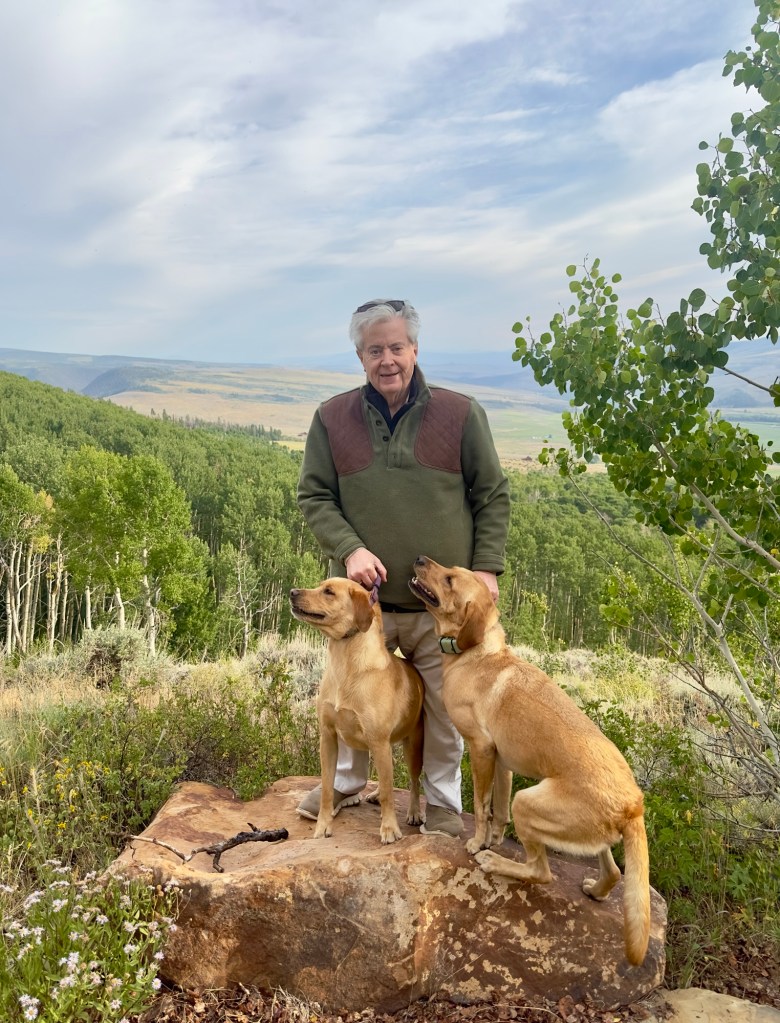
For a long time, I knew something was wrong with my skin. I did not know that it would eventually lead me into the world of a rare blood and skin cancer.
I am a 69-year-old man, married and living in Houston, Texas.
Before there was a diagnosis
My story did not begin with a single dramatic moment. It developed gradually: persistent itching, rashes and skin changes that were difficult to explain and increasingly difficult to ignore. There were reasonable explanations along the way—dermatologic problems, allergies, medication reactions and infections among them—and for a time the pieces did not point clearly in one direction.
For more than five years before my cancer diagnosis, I had recurring skin problems that were treated as fungal infections. Over the years I used numerous antifungal creams as well as oral antifungal medications. At least some of those episodes may very well have been genuine fungal infections. But one thing I have learned since being diagnosed is that Sézary syndrome can sometimes resemble other skin disorders, which leaves me wondering in retrospect whether every rash during those years had the same explanation.
By August 2025, something seemed to be changing. The rash was becoming more widespread, including across my chest and back. My dermatologist thought this newer rash might be a drug-related reaction and treated me with steroid cream and a course of oral steroids. The treatment helped, but only temporarily. The rash and itching returned and, over the following months, became progressively harder to explain as simply another fungal infection or medication reaction.
As the symptoms became more widespread, the search for an explanation became more serious. Dermatology visits and treatment continued, but the turning point came when an allergy/immunology evaluation led to broader blood testing. That testing showed an unusually high lymphocyte count and led to hematology. Flow cytometry then found an atypical T-cell population. More testing followed: additional biopsies, imaging, specialist consultations and eventually evaluation at MD Anderson.
When the picture changed
One of the difficult parts of this journey has been that my presentation has not always looked textbook. Even after lymphoma became the leading concern, there were questions about exactly what type it was and how the findings in my skin, blood and lymph nodes fit together.
Eventually the accumulating evidence gave the disease a name: Sézary syndrome, an uncommon form of cutaneous T-cell lymphoma. My doctors have described my disease as Stage IV. By then the process had involved far more than a rash. PET imaging, blood studies and biopsies showed that this was a systemic illness that would require serious treatment and some difficult decisions.
Why I am writing this
I began keeping records because there was simply too much to remember. But somewhere along the way I realized that the record might have value beyond me. Sézary syndrome is rare enough that another patient can search for it and find pages of medical terminology before finding many detailed accounts of what living through it actually feels like.
So this site is both a record and a story in progress. I will add the chronology, photographs, appointment notes and details as I go. I do not know how the story ends. That is part of the reason to write it now.
A little more about me
And now, a shameless little plug… Long before this diagnosis, I was — and still am — an artist. Painting and photography remain an important part of my life. If you’d like to see my work, visit William Reed Art.
Continue exploring
Understanding Sézary Syndrome • Treatment Timeline • Journal

